
The long-term success of a family business depends on each generation’s ability to define and embrace a clear vision for the future of the enterprise under its stewardship. While leadership, markets, and business strategies may evolve over time, the family’s core values, guiding principles, and best practices remain the enduring foundations that preserve unity, purpose, and continuity across generations.
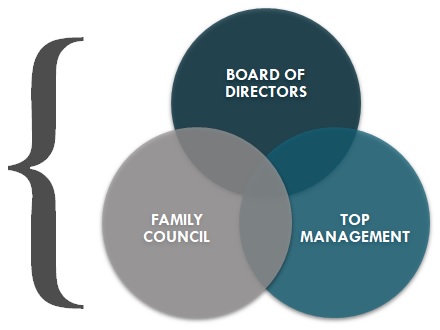
As families grow and businesses become more complex, it becomes increasingly important to establish clear structures that govern decision-making, ownership, and family participation. An effective succession plan addresses these challenges by implementing robust Corporate Governance frameworks that promote transparency, accountability, and professional management, while ensuring that strategic decisions are aligned with the family’s long-term objectives.
In parallel, a carefully designed Family Constitution serves as a cornerstone for family governance by defining the rights, responsibilities, and expectations of family members, shareholders, and managers. It establishes guiding principles for communication, conflict resolution, succession, ownership transfer, and the involvement of future generations in the business.
By integrating sound Corporate Governance with a well-structured Family Constitution, families can strengthen relationships, reduce potential disputes, preserve family harmony, and ensure the sustainable growth and continuity of both the family legacy and the business for generations to come.